Winter in Cape Town
20 July 2026Key Takeaways
- Winter in Cape Town runs from June to August, bringing mild temperatures, dramatic coastal scenery and fewer crowds than the peak summer season.
- Between passing cold fronts, clear blue skies and crisp, sunny days create ideal conditions for exploring the city.
- Winter is the best time of year for whale watching, while the Cape Winelands, hiking trails and cultural attractions remain accessible throughout the season.
- Restaurants are easier to book, popular attractions are quieter and accommodation often offers greater value during the city's green season.
- Located in Bantry Bay, The President Hotel provides an ideal base for discovering Cape Town's winter experiences.
When Is Winter in Cape Town?
Winter in Cape Town falls between June and August, with May and September considered the shoulder months. Unlike many destinations in the Northern Hemisphere, Cape Town experiences a Mediterranean climate, characterised by cool, wetter winters and warm, dry summers.
Average daytime temperatures range between 12°C and 18°C, although conditions can vary throughout the day. It's not uncommon to experience a passing cold front followed by clear skies and sunshine within a matter of hours. This ever-changing weather is part of Cape Town's charm, rewarding visitors with dramatic cloud formations, fresh air and vibrant landscapes.
For travellers wondering when winter starts in Cape Town, the first cold fronts typically arrive during late May, while warmer spring weather begins to return towards the end of August and into September.
What Is Cape Town Like in Winter?
While winter is the city's rainy season, it bears little resemblance to the long, grey winters experienced across much of Europe and North America. Instead, the season is defined by changing weather patterns. Cold fronts sweep through with rain and wind before giving way to bright, sunny days that invite you back outdoors.
Winter also transforms the landscape. Table Mountain and Lion's Head take on rich shades of green as seasonal rainfall nourishes indigenous fynbos, streams begin to flow again, and waterfalls reappear across the mountain slopes. The dramatic contrast between dark storm clouds and bright Atlantic skies creates some of the year's most memorable scenery.
The pace of the city shifts too. Beaches become quieter, hiking trails feel more peaceful, and many of Cape Town's restaurants are easier to enjoy without the summer crowds. Rather than feeling sleepy, winter offers a more relaxed version of the city, one that locals often look forward to each year.
For photographers, outdoor enthusiasts and travellers who enjoy discovering a destination at a slower pace, winter reveals a different side of Cape Town.
Why Winter Is One of the Best Times to Visit Cape Town
Known locally as the green season, winter offers an opportunity to experience the city without the pace and crowds of the busy summer months. Popular attractions become easier to explore, restaurant reservations are more readily available and the city's natural beauty takes on a completely different character.
For visitors, this often translates into a more relaxed holiday. You can linger over lunch in the Cape Winelands, enjoy quieter walks along the Sea Point Promenade or take in panoramic views from Table Mountain without the long queues often associated with peak season.
Winter is also one of the most rewarding seasons for wildlife. Southern Right Whales return to the Cape coastline from June, offering some of the world's finest land-based whale watching just a short drive from the city. Cooler temperatures also create excellent hiking conditions, making this one of the best times to explore trails across Table Mountain National Park.
For many travellers, accommodation rates during winter offer additional value, allowing longer stays or the opportunity to experience more of the city. Combined with Cape Town's vibrant food scene, thriving arts and culture calendar and spectacular natural landscapes, winter presents a compelling case for visiting outside the traditional holiday season.
Rather than waiting for summer, visitors who embrace Cape Town's winter often discover a city that feels more authentic, more relaxed and every bit as memorable.
Book your stay at The President Hotel
Best Things to Do in Cape Town in Winter
Winter invites visitors to experience Cape Town at a different pace. Cooler temperatures make it easier to spend time outdoors, while quieter attractions allow for a more relaxed way of exploring the city. From seasonal wildlife encounters to scenic drives and mountain trails, many of Cape Town's most memorable experiences are at their best during the winter months.
Whether you're planning a long weekend or a week-long escape, these are some of the best winter activities to include on your itinerary.
Explore our signature experiences
Whale Watching
Winter marks the start of whale watching season along the Western Cape coastline. Between June and November, Southern Right Whales migrate from Antarctica to the sheltered bays of the Cape to mate and calve, making this one of the world's best places to observe these magnificent marine mammals.
The coastal town of Hermanus, around 90 minutes from Cape Town, is internationally recognised for land-based whale watching. Elevated cliff paths offer excellent vantage points, often allowing visitors to see whales breaching, tail-slapping and nursing their calves remarkably close to shore.
For those wanting to get even closer, guided boat excursions depart from Gansbaai and Simon's Town, offering unforgettable encounters while following responsible marine tourism practices.
Closer to Cape Town, whale sightings are also possible along the Cape Peninsula, particularly around Cape Point and the Atlantic coastline during the height of the season. Often guests are able to spot whales from The Point or the Lobby of the Hotel. If you do – remember to ring the Whale Bell!
Hike Table Mountain
While many visitors associate hiking with summer, winter is one of the best times to explore Table Mountain National Park.
Cooler temperatures make longer walks more comfortable, while seasonal rainfall transforms the landscape. Waterfalls flow freely, indigenous fynbos flourishes and the mountain takes on rich green tones rarely seen during the dry summer months.
Popular hiking routes include:
Platteklip Gorge, the most direct route to the summit.
Lion's Head, famous for its panoramic sunrise and sunset views.
Skeleton Gorge, beginning in Kirstenbosch National Botanical Garden and winding through indigenous forest before reaching the mountain plateau.
As always, mountain weather can change quickly. Check the forecast before setting out and avoid hiking during periods of strong wind or heavy rain. Visitors planning to use the Table Mountain Aerial Cableway should also note that it typically closes for scheduled annual maintenance during late July.
Discover more about hiking Table Mountain
Explore the Cape Winelands
The vineyards are lush, fireplaces crackle inside historic tasting rooms and long lunches become an easy way to spend a rainy afternoon. Without the crowds of summer, wine estates feel quieter and more intimate, allowing visitors to linger over tastings and seasonal menus.
Constantia, just twenty minutes from Bantry Bay, offers the closest wine route to the city. Historic estates sit beneath forested mountain slopes, producing some of South Africa's finest cool-climate wines.
Further afield, Stellenbosch combines award-winning wineries with oak-lined streets, independent boutiques and cafés, while Franschhoek has earned an international reputation for exceptional food and wine.
Whether enjoyed as a half-day excursion or a leisurely full-day trip, the Winelands are one of winter's greatest pleasures.
Must see Cape Winelands vineyards
Take a Cape Peninsula Day Trip
A drive around the Cape Peninsula is rewarding at any time of year, but winter offers a quieter and more dramatic experience.
Beginning along the Atlantic Seaboard, the route follows the spectacular curves of Victoria Road and Chapman's Peak Drive before continuing through Noordhoek, Simon's Town and the Cape of Good Hope section of Table Mountain National Park.
With fewer visitors, there's more time to pause at viewpoints, explore walking trails and enjoy the rugged beauty of the coastline. Winter also brings the possibility of spotting whales from Cape Point, adding another memorable moment to the journey.
No Cape Peninsula itinerary is complete without a stop at Boulders Beach, where a colony of endangered African penguins lives among the granite boulders. The boardwalks provide excellent viewing throughout the year, while the cooler months offer a quieter experience than the busy summer season.
Day trips from The President Hotel
Surf at Muizenberg
Winter brings the most consistent swell to Muizenberg, making it one of the best times of year to learn to surf.
Situated on the False Bay coastline, Muizenberg enjoys slightly warmer water than Cape Town's Atlantic beaches and is home to a number of well-established surf schools offering lessons for beginners and intermediate surfers alike. Wetsuits and equipment are widely available to hire, making it easy to join a lesson even if you've never surfed before.
After your session, explore Muizenberg's colourful beachfront, browse independent cafés or continue along the False Bay coast towards Kalk Bay for fresh seafood overlooking the harbour.
What To Do in Cape Town on a Rainy Day
Rain rarely lasts all day in Cape Town, but when a cold front rolls in, it's the perfect excuse to discover another side of the city. World-class museums, galleries, cooking experiences and wellness escapes provide plenty of ways to spend a winter afternoon before the sun returns.
Explore Cape Town's Museums and Galleries
Cape Town's creative scene thrives throughout the year, making winter an ideal time to immerse yourself in the city's art and history.
At the heart of the V&A Waterfront, the Zeitz Museum of Contemporary Art Africa (Zeitz MOCAA) houses the world's largest collection of contemporary African art. The museum's striking architecture is reason enough to visit, while its rotating exhibitions showcase artists from across the continent.
A little further south, in the leafy suburb of Tokai, the Norval Foundation combines contemporary African art with sculpture gardens and mountain views. Set within a purpose-built gallery, the foundation presents an ever-changing programme of exhibitions alongside works from its permanent collection. The surrounding gardens and wetlands create a peaceful setting that encourages visitors to linger, making it an ideal destination for a leisurely winter afternoon.
History lovers can explore the District Six Museum, which tells the story of one of Cape Town's most significant communities, or visit the Bo-Kaap Museum to learn more about the city's Cape Malay heritage before wandering the colourful streets outside.
For guests staying at The President Hotel, rotating exhibitions throughout the hotel offer another opportunity to engage with contemporary South African art without leaving the property.
Not to miss galleries and museums
Visit the Two Oceans Aquarium
Located at the V&A Waterfront, the Two Oceans Aquarium offers an engaging experience for visitors of all ages.
Exhibits explore the unique ecosystems where the Atlantic and Indian Oceans meet, with everything from delicate jellyfish to ragged-tooth sharks and rescued sea turtles.
The aquarium also plays an active role in marine conservation through its turtle rehabilitation programme, making it as educational as it is enjoyable. It's an excellent choice for families or anyone looking to spend a few hours indoors while learning more about South Africa's remarkable marine life.
Discover Cape Malay Cuisine
A rainy day provides the perfect opportunity to experience one of Cape Town's most distinctive culinary traditions.
Cape Malay cooking classes in Bo-Kaap introduce visitors to fragrant spices, family recipes and techniques that have been passed down through generations. Under the guidance of local hosts, you'll prepare traditional dishes while learning about the history and culture that shaped this unique cuisine.
Combined with a walk through Bo-Kaap's historic streets, it's an experience that offers insight into one of Cape Town's most vibrant communities.
Unwind at Cove Wellness Spa
When the weather encourages a slower pace, few experiences are more fitting than a visit to Cove Wellness Spa at The President Hotel.
Choose from a range of massages, facials and body treatments designed to restore body and mind, or simply enjoy a quiet afternoon dedicated to relaxation. Whether you've spent the morning hiking or watching winter storms roll across the Atlantic, the spa provides a welcome opportunity to pause before heading out to dinner or exploring the city once again.
Cosy Places to Eat and Drink in Cape Town During Winter
One of the greatest pleasures of winter in Cape Town is slowing down over a long lunch, lingering beside a fireplace or settling into a cosy café while rain falls outside. The city's dining scene is just as vibrant during the cooler months, with seasonal menus, intimate wine bars and welcoming neighbourhood restaurants offering the perfect retreat after a morning of exploring.
Whether you're looking for a leisurely breakfast, a memorable dinner or somewhere to warm up with a cup of coffee, winter is one of the best times to experience Cape Town's food culture.
Long Lunches in the Cape Winelands
Winter is synonymous with leisurely lunches in the Winelands. Historic wine estates in Constantia, Stellenbosch and Franschhoek embrace the season with roaring fireplaces, hearty seasonal dishes and exceptional local wines.
Many estates source ingredients directly from their own gardens or neighbouring farms, creating menus that celebrate the flavours of the Western Cape. Combined with vineyard views and quieter tasting rooms, a winter lunch in the Winelands often becomes the highlight of a Cape Town itinerary.
Discover Cape Town's Café Culture
Cape Town's independent café scene continues to flourish throughout winter. From neighbourhood coffee shops to artisan bakeries, the city offers plenty of welcoming spaces to pause between sightseeing.
Guests staying at The President Hotel can begin the day at Botany Café, where locally roasted coffee, freshly baked pastries and seasonal breakfast dishes provide a relaxed start before heading out to explore the city. Large windows overlooking the Atlantic make it just as inviting on crisp winter mornings as on sunny summer days.
Neighbourhoods such as Sea Point, Kalk Bay and Woodstock also offer an abundance of independent cafés where excellent coffee and locally made pastries have become part of Cape Town's everyday culture.
Sundowners by the Atlantic
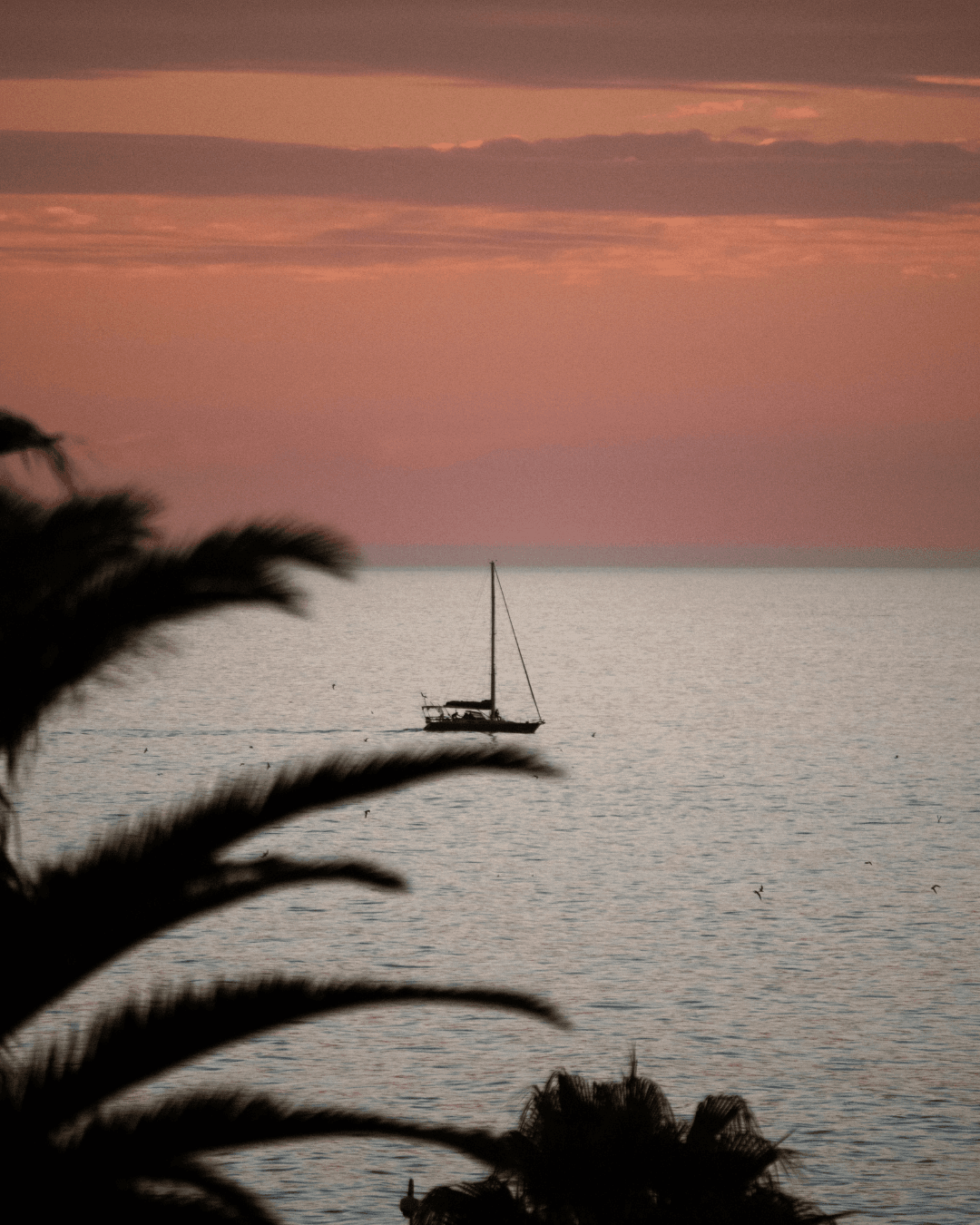
Not every winter's day ends with rain. Some conclude with perfectly still evenings and spectacular Atlantic sunsets.
On clear afternoons, few experiences rival enjoying a cocktail while watching the sun sink into the ocean. Along the Atlantic Seaboard, restaurants and bars remain popular gathering places throughout winter, offering blankets, heaters and uninterrupted coastal views.
At The President Hotel, guests can settle in for golden hour overlooking the pool deck before dinner, embracing one of Cape Town's simplest pleasures regardless of the season.
The Deck Bar at The President Hotel
Month-by-Month Guide to Winter in Cape Town
Each winter month offers something different, from the arrival of the whales to the first signs of spring.
June
Average Temperatures 12°C–17°C Winter begins with cooler temperatures, lush green landscapes and the arrival of Southern Right Whales along the Western Cape coastline. Hiking conditions improve dramatically, making it an excellent month for exploring Table Mountain National Park before the peak whale watching season begins.
July
Average Temperatures 11°C–16°C July is typically the coolest month of the year and often brings Cape Town's most dramatic weather. Passing storms create spectacular cloud formations over Table Mountain, while cosy restaurants, museums and galleries come into their own. Between cold fronts, bright sunny days provide excellent conditions for sightseeing.
August
Average Temperatures 12°C–17°C As winter begins giving way to spring, longer daylight hours return and wildflowers start appearing across parts of the Western Cape. Whale watching continues to improve, while many visitors enjoy quieter beaches, comfortable hiking conditions and the first signs of warmer weather.
What to Pack for Winter in Cape Town
Cape Town's winter weather is best described as unpredictable. A single day can begin with sunshine, shift to rain and end with a spectacular sunset, making layers essential.
We recommend packing:
- A waterproof jacket or raincoat.
- Comfortable walking shoes.
- A warm jersey or fleece.
- A light scarf.
- Jeans or lightweight trousers.
- T-shirts and breathable layers.
- Sunglasses and sunscreen for clear winter days.
- Swimwear if you're planning a spa visit, hotel pool experience or a cold-water plunge.
The key is versatility. Dressing in layers allows you to adapt comfortably as conditions change throughout the day.
Where to Stay in Cape Town During Winter
Location becomes especially important during winter, allowing visitors to make the most of changing weather conditions.
Situated in Bantry Bay along Cape Town's Atlantic Seaboard, The President Hotel provides convenient access to many of the city's leading attractions while offering a peaceful coastal setting to return to each evening.
Guests can begin the morning with a walk or jog along the Sea Point Promenade, enjoy breakfast overlooking the ocean before heading into the city, or spend the afternoon relaxing at Cove Wellness Spa after exploring museums, galleries or the Cape Winelands.
Its central location also makes it easy to adapt plans throughout the day. When sunshine appears between passing showers, beaches, mountain trails and coastal drives are all within easy reach.
Accommodations offers at The President Hotel
Frequently Asked Questions About Winter in Cape Town
Is winter a good time to visit Cape Town?
Absolutely. Winter offers a different perspective on the city, with fewer crowds, lush landscapes, excellent whale watching and easier access to many of Cape Town's most popular attractions. It's also an ideal season for food, wine and cultural experiences.
Does it rain every day in Cape Town during winter?
No. Winter weather is characterised by passing cold fronts rather than constant rain. Many days are bright and sunny, particularly between weather systems, making outdoor activities possible throughout much of the season.
Can you still visit Table Mountain in winter?
Yes. The Table Mountain Aerial Cableway operates throughout much of winter, weather permitting, although it usually closes for annual maintenance for a short period during late July. Hiking remains popular during winter thanks to cooler temperatures, but visitors should always check the weather forecast before setting out.
Is Cape Town cold in winter?
Compared with many international destinations, Cape Town's winters are relatively mild. Daytime temperatures generally range between 12°C and 18°C, although evenings can feel cooler, particularly near the coast.
What is the best winter activity in Cape Town?
Whale watching is one of the season's standout experiences, but winter is also ideal for exploring the Cape Winelands, hiking Table Mountain, visiting museums and galleries, enjoying long lunches and discovering Cape Town's vibrant café culture.
Experience Cape Town in a Different Season
Winter reveals a quieter, more reflective side of Cape Town. The mountains turn green, whales return to the coastline and the city's restaurants, galleries and wine estates invite visitors to slow down and savour the season.
Whether you're watching waves crash against the Atlantic, discovering contemporary African art, exploring the Cape Winelands or warming up beside a fire after a day outdoors, winter offers experiences that feel both authentic and unhurried.